
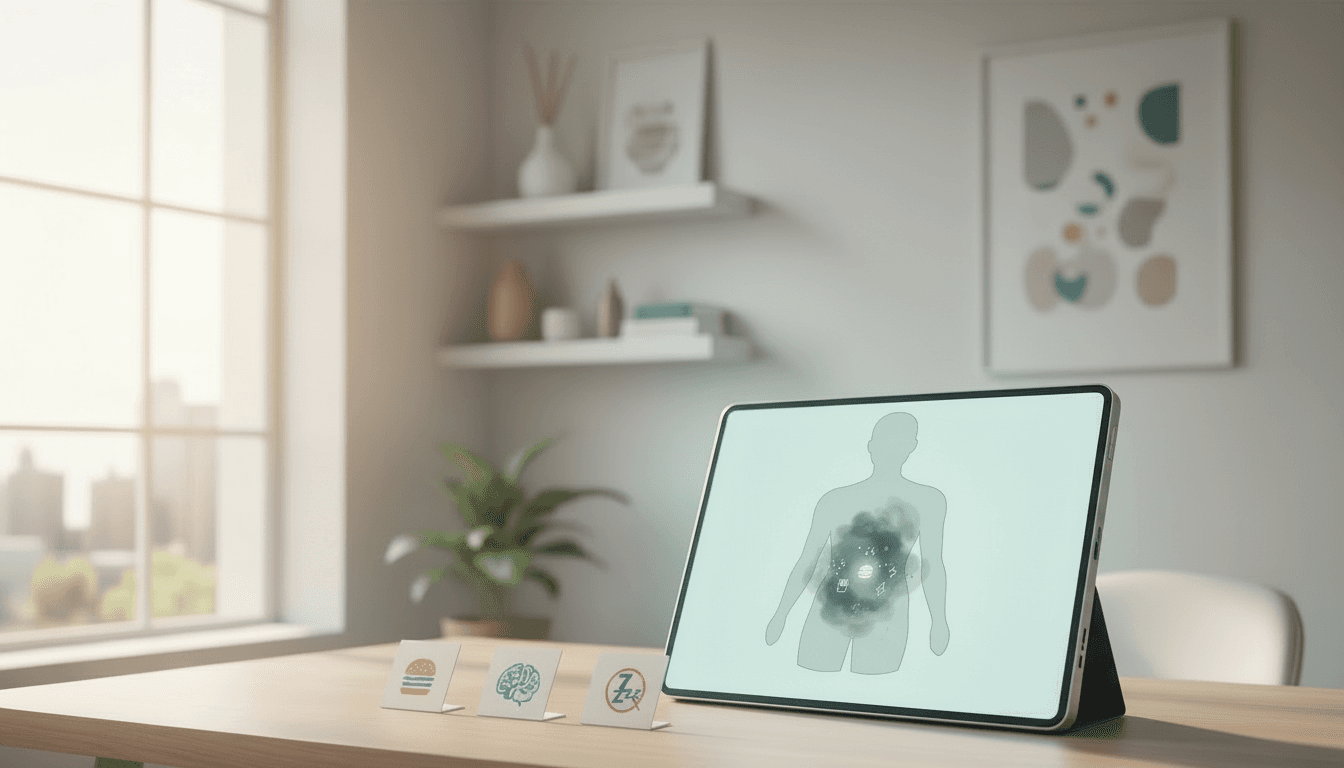
Toxins We Create Inside
From LPS and histamine overload to yeast, parasite waste and beta‑glucuronidase, we uncover the toxins your gut is making and support your body to clear them
Toxins We Create – Not Just What We Eat
Your gut can be your best friend – or your worst enemy. It is not just about the toxins you are exposed to from the outside; it is also about the compounds your own gut can generate when things are out of balance.
When the microbiome, gut lining and liver are under pressure, your body can start to produce and recirculate internal “toxins” that keep you inflamed, foggy and exhausted – even if you are eating well.
On this page we will explore some of the key internal toxins we look for and how they relate to symptoms across the gut, brain and hormones.
It is Not Just What You Eat. It is What Your Gut Does With It.
Your digestive system is constantly processing food, hormones and waste products. When the system is working well, your gut helps to neutralise and eliminate what you do not need.
But when the gut microbiome is unbalanced, the lining is leaky, or detox pathways are overloaded, the gut can start to generate and recycle internal toxins that affect:
- Gut symptoms – bloating, pain, reflux, irregular bowels
- Brain function – brain fog, low mood, anxiety
- Hormones – PMS, perimenopause symptoms, weight shifts
- Immune balance – skin issues, joint pain, autoimmunity
These are some of the hidden drivers we look for in our gut healing plans.
Your Gut Can Be Your Best Friend – or Your Worst Enemy
When the gut is supported, it helps clear hormones, toxins and inflammatory by‑products efficiently.
When it is not, the same system can become a source of internal “toxic load” – constantly feeding back into your liver, brain and immune system.
That is why we do not just look at diet; we look at what your gut is creating from moment to moment.
Key Internal Toxins We Look For
These are some of the compounds we assess in stool, blood and other functional tests when we are investigating the "toxic load" generated inside your own gut.
Bacterial Toxins
LPS (Endotoxin)
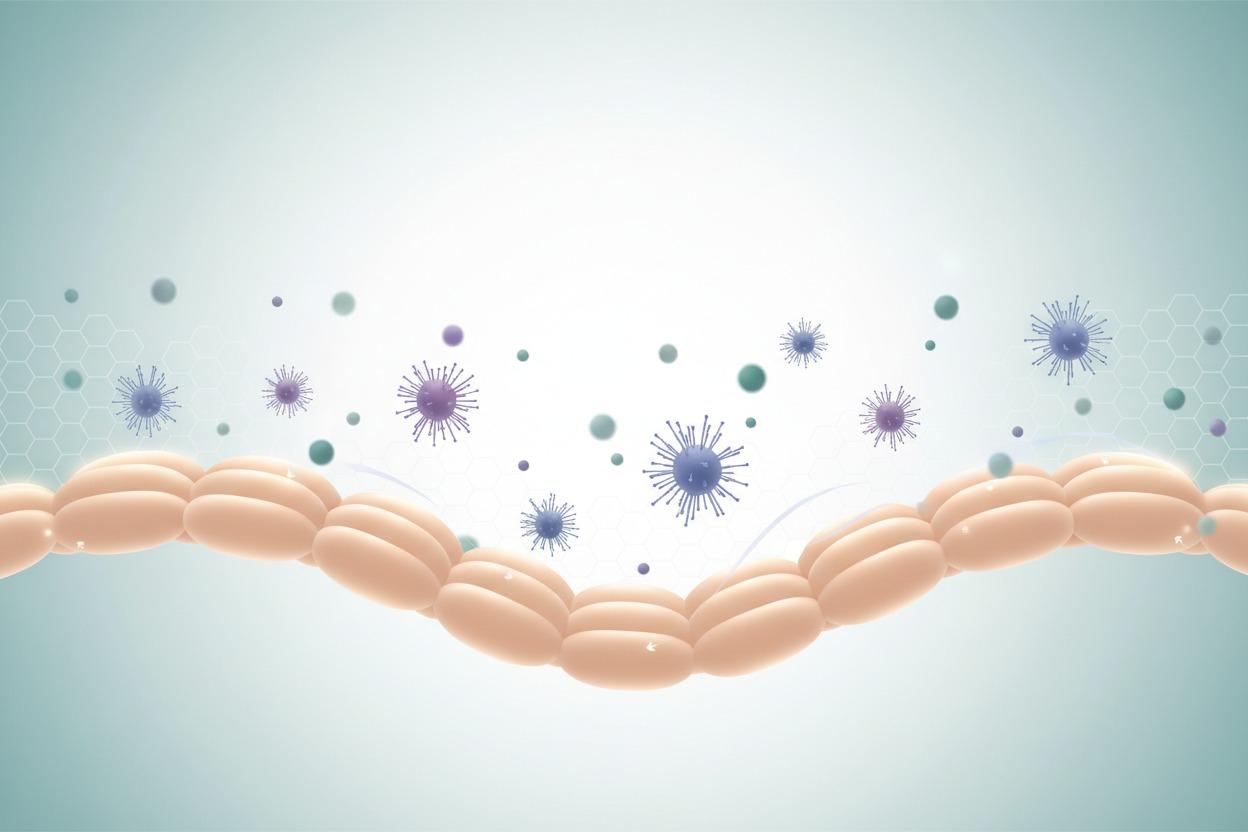
Lipopolysaccharides (LPS) are toxins from certain gut bacteria. Think of them as toxic fumes from "bad bugs". When your gut lining is leaky and LPS escapes into the bloodstream, it can: Drive systemic inflammation, cloud your thinking, affect mood and contribute to metabolic issues. We target both the gut bacteria producing LPS and the gut barrier that should be containing them.
Immune Mediators
Histamine Overload
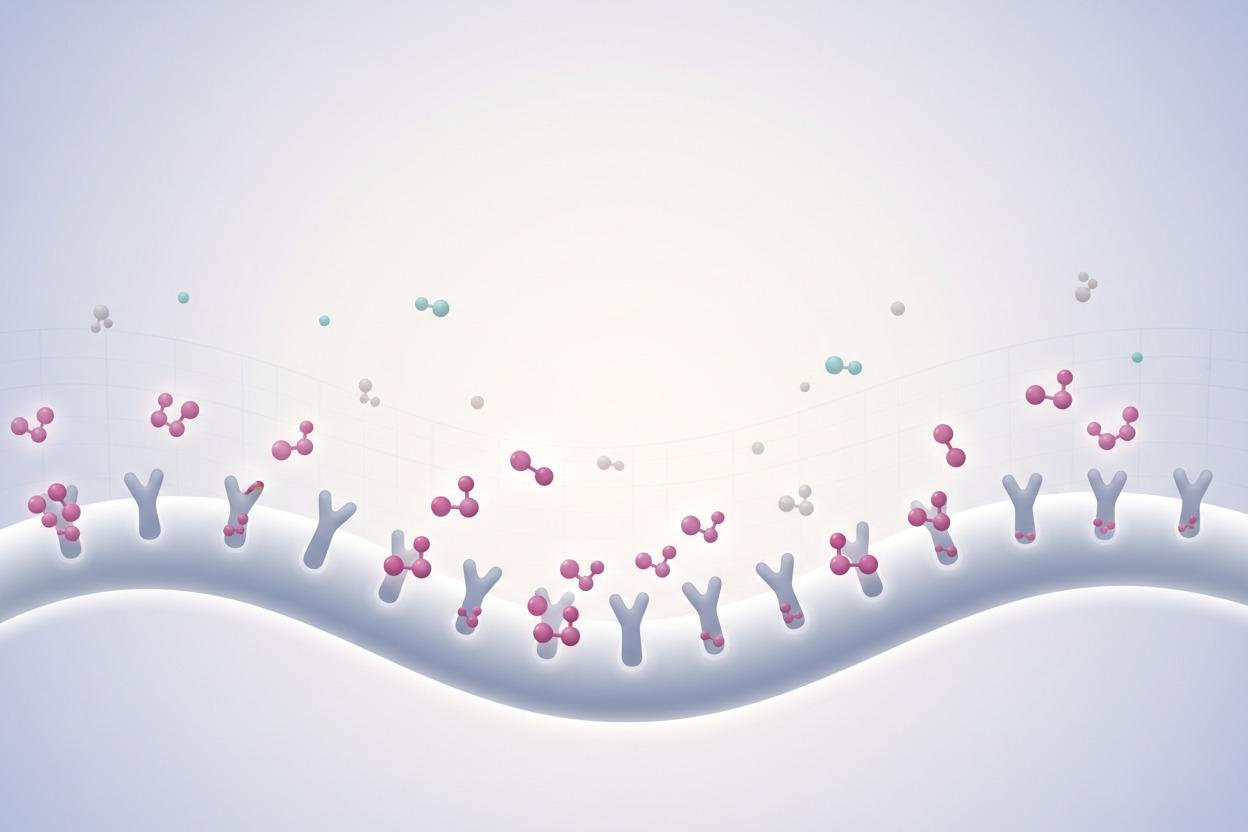
Histamine is your body's internal "alarm bell". You need it to respond to threats, but too much, for too long can lead to: Headaches, flushing, itching, sinus issues, anxiety, palpitations, disturbed sleep and gut upset. If your gut and liver cannot break histamine down properly, it is like an alarm that never stops ringing. We explore both histamine production (gut microbes, diet) and clearance (enzymes, nutrients, liver function).
Microbial By‑Products
Yeast & Parasite Waste
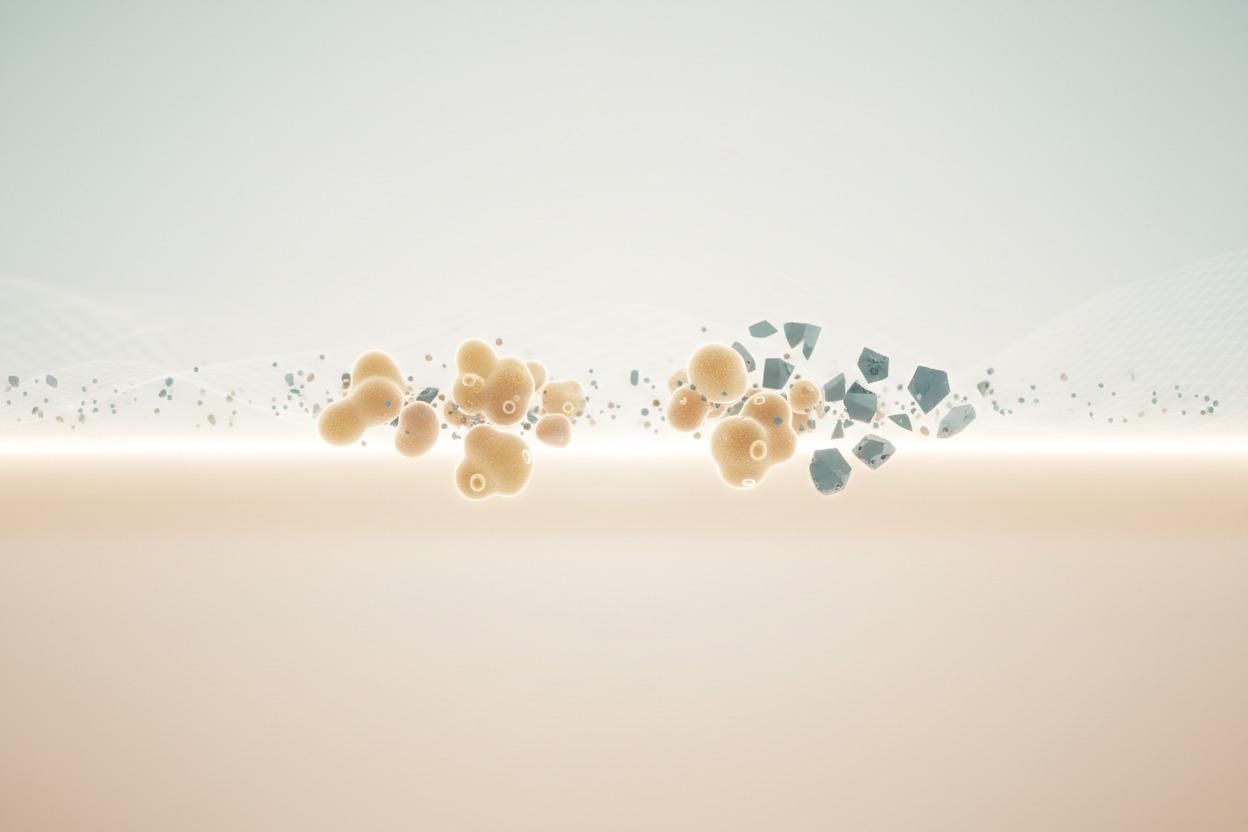
Unwanted microbes do not just "live" in the gut – they produce chemical waste that your body then has to deal with. These by‑products can put pressure on detox pathways, disrupt immune balance and contribute to: Brain fog, fatigue, gut pain, skin issues and a sense of being "toxic" despite healthy habits. Addressing overgrowths and supporting elimination can reduce this internal toxic load.
Hormone Recycling
Beta‑Glucuronidase
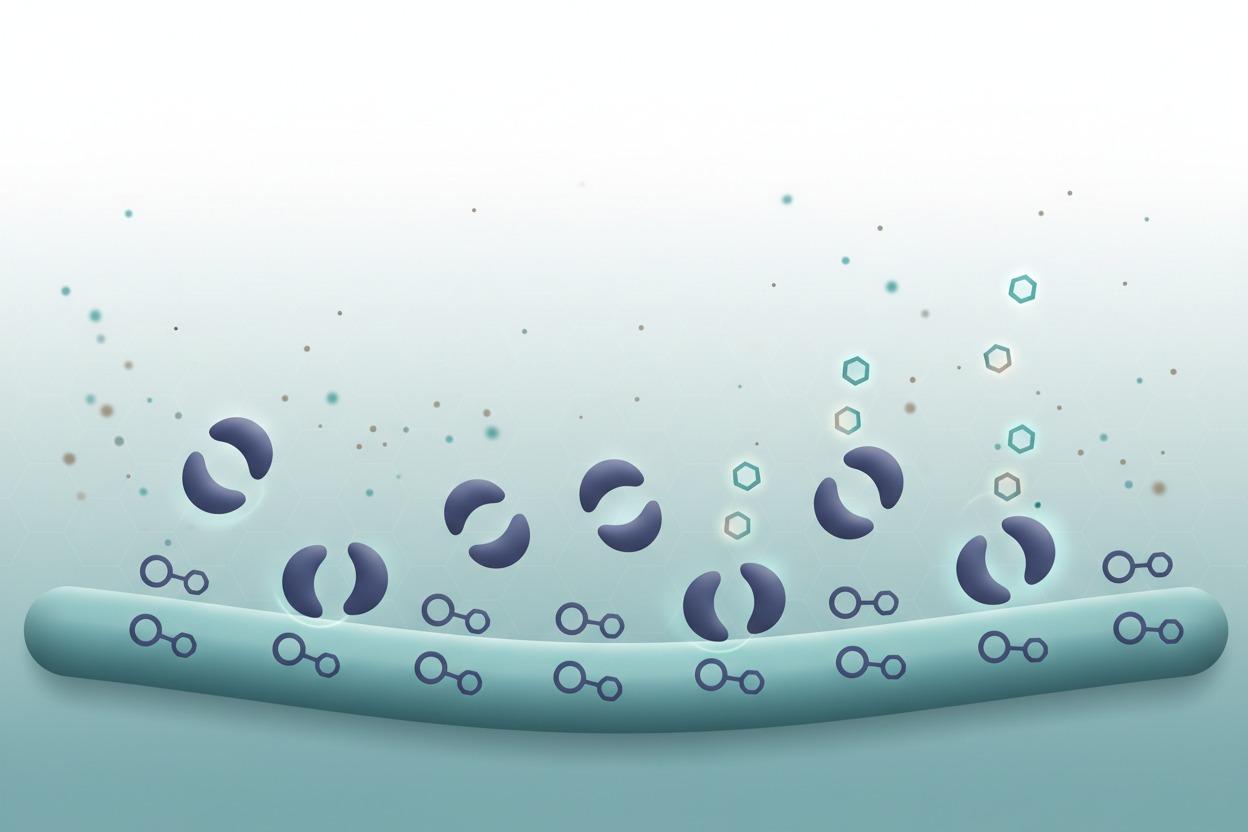
Beta‑glucuronidase is a bacterial enzyme that acts like a hormone recycling machine. When levels are high, it can: Unpack hormones your body was trying to eliminate – especially oestrogen – sending them back into circulation and contributing to imbalances, PMS, breast tenderness and mood swings. We look at both the gut flora driving beta‑glucuronidase and the liver pathways that package hormones for safe removal.
Where This Fits in Your Gut Plan
We do not look at internal toxins in isolation. They are part of a bigger picture that includes your liver, hormones, nervous system and day‑to‑day symptoms.